
No products in the cart.: ₨ 0

How to Train Your Cat — A Complete Beginner’s Guide to Cat Training at Home

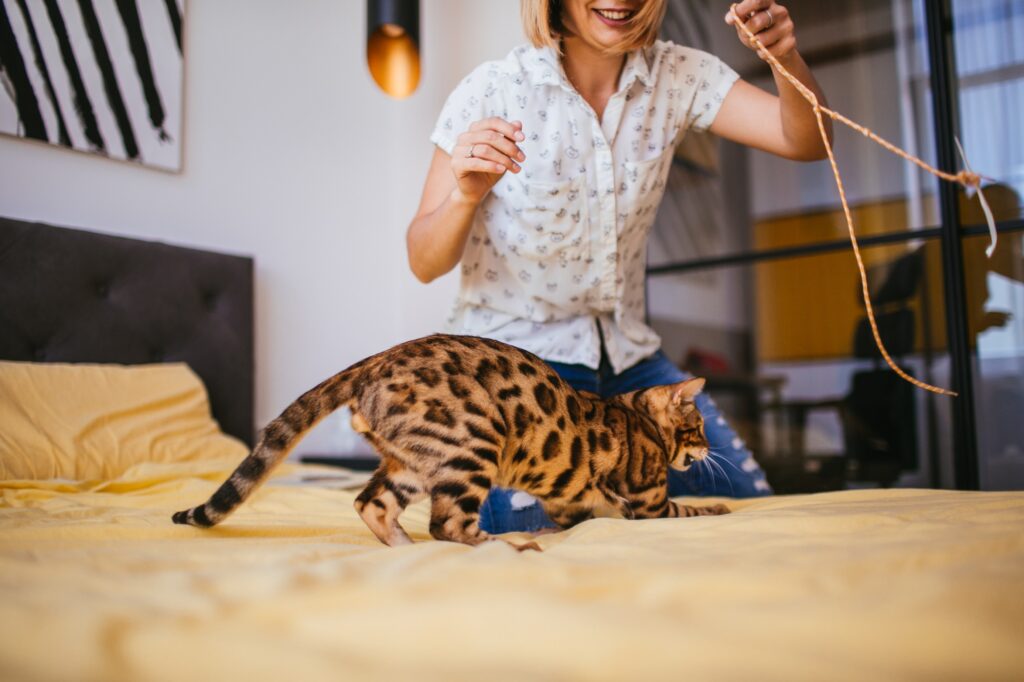
Think cats can’t be trained? Think again. Cat training is not only possible — it strengthens the bond between you and your pet, reduces bad behavior, and keeps your cat mentally stimulated. Whether you want your cat to stop scratching furniture, use the litter box reliably, or learn fun tricks, this guide has everything you need to get started.
Key principle — positive reinforcement
Cats respond best to rewards, not punishment. Always reward good behavior immediately with a treat, praise, or play. Never scold or use force — it breaks trust and makes training harder.
Before You Start Training
Successful cat training starts with understanding how cats think. Unlike dogs, cats are independent and motivated by self-interest — meaning you need to make training worth their while. Keep these basics in mind:
- Choose the right time. Train when your cat is alert and slightly hungry — before mealtime works best. A full, sleepy cat has zero motivation to learn.
- Keep sessions short. 5 to 10 minutes maximum per session. Cats lose focus quickly. Multiple short sessions daily beat one long one.
- Pick high-value treats. Use small, soft treats your cat goes crazy for. The treat must be more exciting than everything else in the room.
- Remove distractions. Train in a quiet room away from other pets, loud noises, or TV. Your cat’s full attention is the goal.
- Be consistent. Use the same command word and hand signal every single time. Changing cues confuses cats and slows progress.
Essential Cat Training Techniques
These are the most effective, vet-approved cat training methods used by professional animal trainers worldwide.
Clicker Training
A clicker marks the exact moment your cat does the right thing. Click, then immediately reward. The click becomes a signal that a treat is coming, making learning faster and clearer.
Lure & Reward
Hold a treat near your cat’s nose and slowly guide them into the desired position — like sitting or lying down. Once they do it, reward instantly. Great for teaching physical commands.
Shaping
Reward small steps toward the final behavior. For example, to teach “come,” first reward any movement toward you, then only reward when they come closer, then all the way to you.
Target Training
Teach your cat to touch a stick or your finger with their nose. This becomes a powerful tool to guide them anywhere — onto a mat, into a carrier, or through an obstacle.
Basic Commands to Teach First
- Sit. Hold a treat above your cat’s head and slowly move it backward. As their bottom touches the floor, say “sit” and reward. Repeat 5–6 times per session.
- Come. Crouch down, say “come” in a happy voice, and tap the floor. When they approach, reward generously. Never call your cat to punish them — it destroys the command.
- Stay. Ask your cat to sit, then hold your palm out and say “stay.” Take one step back. If they stay still even for 2 seconds, reward. Gradually increase the distance.
- No scratch. When your cat scratches furniture, calmly redirect them to a scratching post. Reward them for using the post. Never shout — it only creates anxiety.
- Litter box training. Place your cat in the litter box after meals and naps. Praise them when they use it. Keep the box clean — cats refuse to use a dirty litter box.
Common mistake — punishing bad behavior
Spraying water, shouting, or tapping your cat when they misbehave does not teach them what to do instead — it only creates fear and stress. Always redirect to the correct behavior and reward that instead.
Do’s & Don’ts of Cat Training
✓ Do’s
- Always reward immediately
- Keep sessions under 10 mins
- Train before mealtimes
- Use consistent commands
- End on a positive note
✗ Don’ts
- Never punish or shout
- Don’t train a stressed cat
- Avoid too many commands at once
- Don’t skip consistency
- Never force physical positions